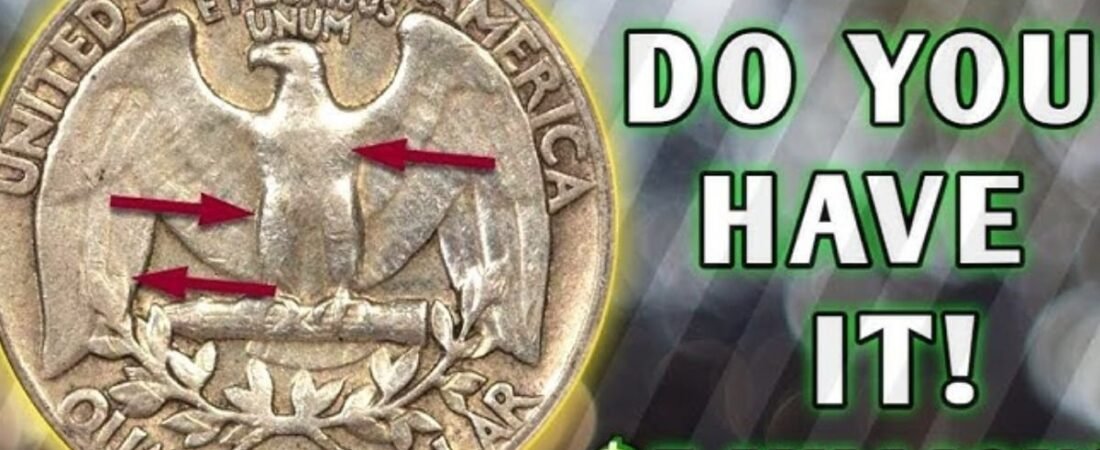
Every once in a while, a seemingly ordinary coin turns out to be a hidden treasure that can change someone’s life overnight. Washington quarters, those familiar 25-cent pieces featuring George Washington on the front and an eagle on the back, have been part of American pocket change for decades. While most are worth exactly their face value, a tiny number of ultra-rare examples—often due to extreme minting mistakes, incredibly low survival numbers, or perfect preservation—have fetched staggering sums at auctions and private sales, sometimes soaring past $300,000 each. The excitement comes from knowing these gems could still be out there in old jars, forgotten rolls, or even loose change.
The Allure of Rare Washington Quarters
The Washington quarter series began in 1932 to honor the bicentennial of George Washington’s birth and continued through 1998 with various designs. Early silver versions (1932-1964) carry intrinsic metal value, but the real money comes from rarity. Low mintage in certain years, dramatic errors like doubled dies or off-metal strikes, and exceptional condition push values into the stratosphere. Collectors prize these coins not just for their worth but for the stories they tell about U.S. Mint history and human oversight during production.
Key Factors Driving High Values
Several elements combine to make a Washington quarter extraordinarily valuable. First, mintage numbers matter—some years saw very few coins produced at specific facilities. Second, errors during striking, such as doubled images from misaligned dies or wrong planchet use, create one-of-a-kind pieces. Third, grade plays a huge role; coins in near-perfect mint state or proof condition command premiums far beyond circulated examples. Finally, survival rate is critical—many rare coins were melted, lost, or worn down over time, leaving only a handful in existence.
Here are some of the main reasons certain Washington quarters reach such dizzying prices:
- Ultra-low original mintage at branch mints like Denver or San Francisco in the early years
- Dramatic doubled die varieties where design elements appear multiplied
- Major mint errors including off-metal strikes or multiple strikes
- Exceptional preservation leading to top population grades
Notable Examples of High-Value Specimens
While no single list captures every outlier, certain Washington quarters have repeatedly demonstrated six-figure potential through documented sales. The 1932-D, struck in tiny numbers during the series’ debut year, stands out as a cornerstone rarity. High-grade versions have consistently drawn intense bidding. Similarly, standout error coins from later decades, including dramatic double strikes or unique varieties, have surprised even seasoned collectors by crossing the $300,000 threshold in recent years. These pieces often emerge from old collections or unexpected finds, reminding everyone that numismatic treasures can hide in plain sight.
Other examples involve clad quarters from the post-1965 era, where production glitches created anomalies that defied expectations for modern coinage. Circulated examples of these errors have still achieved remarkable prices when authenticated, proving that heavy wear doesn’t always erase value.
Why Check Your Change Today
The thrill of coin hunting lies in possibility. Millions of Washington quarters still circulate or sit in drawers, and while the odds are slim, stories of people discovering valuable pieces in everyday places keep the hobby alive. Experts recommend examining dates, mint marks (small letters like D or S near the wreath), and unusual features such as doubling in lettering or mismatched metals. If something looks off, it’s worth getting a professional opinion from a reputable grading service.
Don’t Overlook the Potential Windfall
In the world of coin collecting, patience and a keen eye can pay off handsomely. These ultra-rare Washington quarters represent the pinnacle of what a 25-cent piece can become through history, error, and scarcity. Whether you’re a longtime collector or just someone sorting through old coins, taking a closer look could uncover something extraordinary. The next life-changing find might be waiting in your pocket right now.
FAQs
What makes a Washington quarter worth over $300,000?
Extreme rarity from low mintage, major mint errors like doubled dies or off-metal strikes, and top-tier condition combine to drive these prices in competitive auctions.
Are all high-value Washington quarters from the 1930s?
No, while early silver issues like certain 1932 dates lead the way, some later clad examples with dramatic errors have also reached or exceeded $300,000 in recent sales.
Do circulated coins ever sell for that much?
Yes, in exceptional cases where the error is dramatic and well-documented, even worn examples have fetched six figures due to their uniqueness.
How can I tell if my quarter is valuable?
Look for key dates, mint marks, doubling in words or design elements, or anything unusual like thickness or color differences, then consult a professional grader.
Should I clean old quarters to increase their value?
Never clean them—cleaning often reduces value significantly. Leave coins in their original state and seek expert authentication instead.