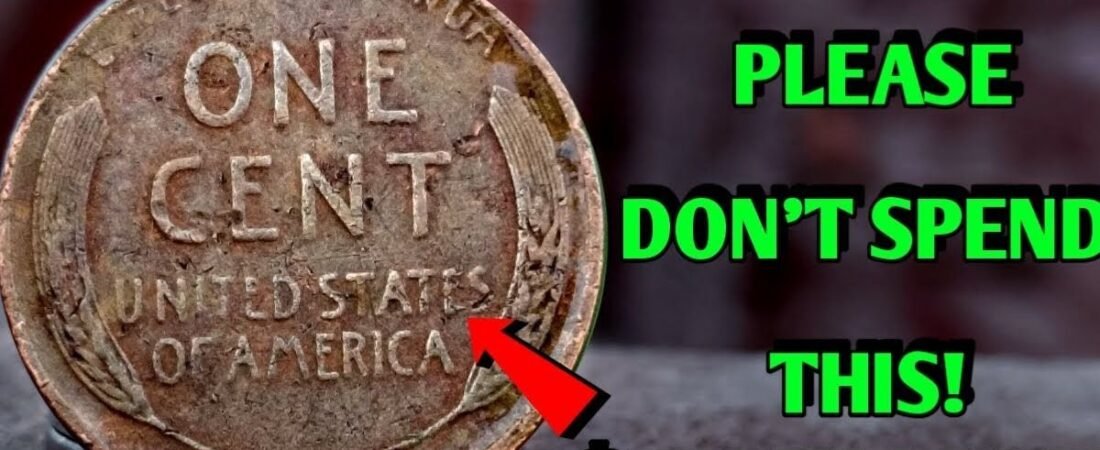
Every once in a while, a seemingly worthless penny turns out to be a hidden treasure. Some Lincoln cents that appear heavily damaged, corroded, or oddly struck have fetched thousands of dollars from collectors. These “destroyed” looking coins often hide rare minting mistakes or wrong-metal errors that slipped through during production. While most beat-up pennies are just that, a few special ones stand out for their extreme scarcity and historical quirks.
The Allure of Imperfect Coins
Collectors have long prized perfection, but damaged-looking pennies can tell a bigger story. When the U.S. Mint experiments with metals or when dies wear out unexpectedly, the results sometimes create one-of-a-kind pieces. These errors make the coins look ruined at first glance—pitted surfaces, strange colors, or weak strikes—but that’s exactly what drives their value sky-high. People routinely overlook them in pocket change or old jars, assuming they’re trash. Yet seasoned numismatists know better and actively hunt for these oddities.
Wartime Metal Mix-Ups That Look Wrong
During World War II, the Mint switched penny composition to save copper for the war effort. Most 1943 cents came out as silver-colored steel, but a tiny handful were struck on leftover copper planchets by mistake. These rare bronze 1943 pennies often show unusual wear patterns or discoloration over time, making them appear damaged or out of place. Another flip-side error happened in 1944, when a few steel planchets got mixed in after the switch back to copper. These steel cents under copper coating can look pitted or rusted, giving them a destroyed appearance despite their rarity.
Famous Errors That Survive Heavy Wear
Some pennies gain value from dramatic die issues that leave them looking crushed or incomplete. For instance, certain doubled die varieties show thick, obvious doubling on letters and dates, but heavy circulation can make the coin seem worn beyond recognition. Other examples include off-center strikes or broadstrikes where the coin spreads out oddly, creating a flattened, damaged look. Even in rough shape, these errors remain identifiable to experts and command strong prices because so few exist.
Here are three standout examples that fit the “ultra rare destroyed” profile:
- The 1943 bronze (copper) Lincoln cent – Often circulated heavily and showing odd toning or scratches, yet genuine pieces have sold for tens of thousands in lower grades.
- The 1944 steel Lincoln cent – These frequently appear corroded or pitted from the steel core reacting over decades, fooling people into thinking they’re junk.
- The 1969-S doubled die obverse – In worn condition, the dramatic doubling can blend into general wear, but clear examples still bring high four-figure sums even when beat up.
Why Condition Isn’t Always King
Unlike pristine coins that shine in high grades, these error pennies often thrive despite—or because of—their rough appearance. Heavy wear, corrosion, or environmental damage doesn’t erase the key mistake that makes them special. Authentication becomes crucial here, as fakes and alterations abound. Professional grading services look past surface issues to verify the underlying error, which is what truly sets the price.
Don’t Toss That Old Jar Yet
The thrill of coin hunting lies in the possibility that an ordinary-looking penny could change everything. Next time you sort through change or dig out old collections, take a closer look at anything that seems off—wrong color, strange texture, or unusual design flaws. While the odds are slim, history shows that these ultra-rare finds still surface occasionally. A quick check could reveal something far more valuable than face value.
In the end, these destroyed-looking pennies remind us that treasure often hides in plain sight. Ordinary objects carry extraordinary stories when rare circumstances align. Keep an eye on your change—you never know what might turn up.