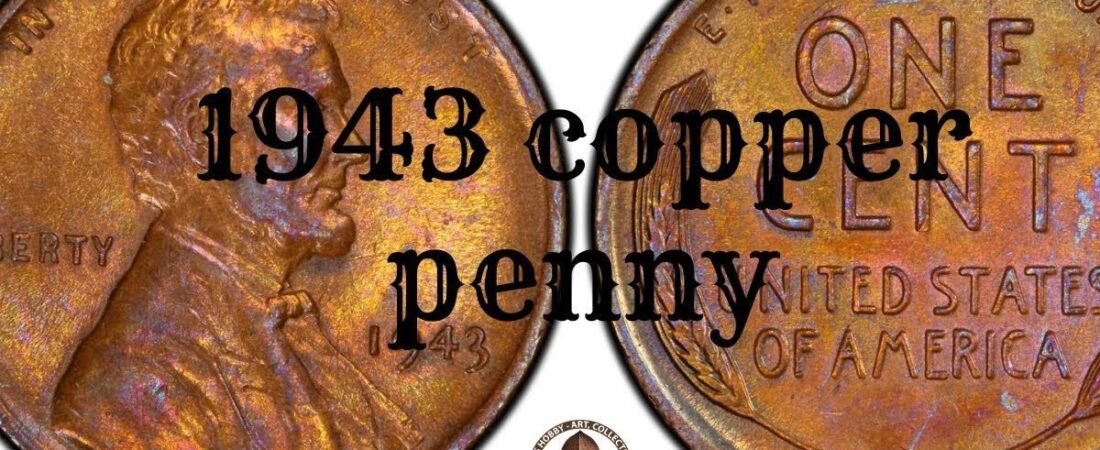
During the height of World War II, a tiny but extraordinary mistake at the U.S. Mint created one of the most coveted treasures in American coin collecting. While millions of pennies rolled off the presses in 1943, a handful stood apart because they were made from copper instead of the intended wartime material. Known today as the 1943 copper penny, this rare error coin captures a fascinating slice of history and commands enormous attention from collectors.
The Wartime Shift in Penny Production
As the United States poured resources into the war effort, copper became a critical metal for ammunition casings, wiring, and other military needs. To conserve supplies, the Treasury Department directed the U.S. Mint to change the composition of the one-cent coin. For the first time, pennies were struck using zinc-coated steel planchets, giving them a silvery appearance rather than the familiar bronze tone.
This switch took effect at the start of 1943, affecting production at the Philadelphia, Denver, and San Francisco mints. The new steel cents helped free up copper for essential defense purposes, but they also set the stage for an unexpected anomaly that would emerge decades later as a numismatic legend.
How the Copper Error Happened
The rare 1943 copper pennies resulted from a simple yet remarkable oversight in the minting process. Leftover copper planchets—intended for 1942 production—likely remained stuck in the hoppers or sorting equipment when the new steel run began. When these old blanks fed into the presses, the machines struck them with the 1943 date dies.
Only a very small number escaped detection and entered circulation. Estimates suggest around 40 such coins were produced across all three mints, with roughly 20 to 30 genuine examples known to survive today. The vast majority of 1943 pennies are the common steel variety, making any copper specimen immediately stand out.
Distinct Features of the Authentic Coin
Genuine 1943 copper pennies look almost identical to standard Lincoln wheat cents from other years. They display Abraham Lincoln on the obverse and the classic wheat stalks framing “One Cent” on the reverse. The key difference lies in the metal: solid bronze alloy rather than steel with zinc plating.
- These coins do not stick to a magnet, unlike the regular 1943 steel cents.
- They weigh about 3.11 grams, matching pre-war pennies.
- Their color is a warm reddish-brown, showing natural toning over time.
- Mint marks (if present) appear below the date, indicating origin from Denver (D) or San Francisco (S), with Philadelphia pieces lacking a mark.
Counterfeits exist, often created by copper-plating steel cents, but authentic examples pass basic tests and show proper die characteristics under expert examination.
Why This Coin Commands Such High Value
The combination of extreme rarity, historical context, and collector demand drives the 1943 copper penny’s worth into the six-figure range and beyond. Lower-grade circulated pieces have sold for hundreds of thousands of dollars at auction in recent years, while top-condition examples push even higher. One standout piece from the Denver Mint has fetched prices approaching or exceeding seven figures due to its unique status.
The appeal extends beyond money. Owning one feels like holding a tangible piece of wartime America—a quiet reminder of resourcefulness, sacrifice, and the occasional human error that slipped through even the most careful systems.
The Legacy in Numismatics
Today, the 1943 copper penny ranks among the most famous error coins in U.S. history. Stories of people discovering them in pocket change, old jars, or inherited collections continue to surface, fueling ongoing fascination. Each known specimen has its own provenance, often documented through grading services that authenticate and preserve these treasures.
While the steel 1943 pennies remain affordable keepsakes of the era, the copper versions represent the pinnacle of Lincoln cent collecting. They remind enthusiasts that sometimes the smallest details—a misplaced planchet—can create enduring legends.
In the end, the 1943 copper penny stands as more than just a rare coin. It embodies a moment when necessity clashed with routine, producing something extraordinary from an ordinary mistake. For collectors, it’s the ultimate wartime find, a small bronze token that tells a much larger story.