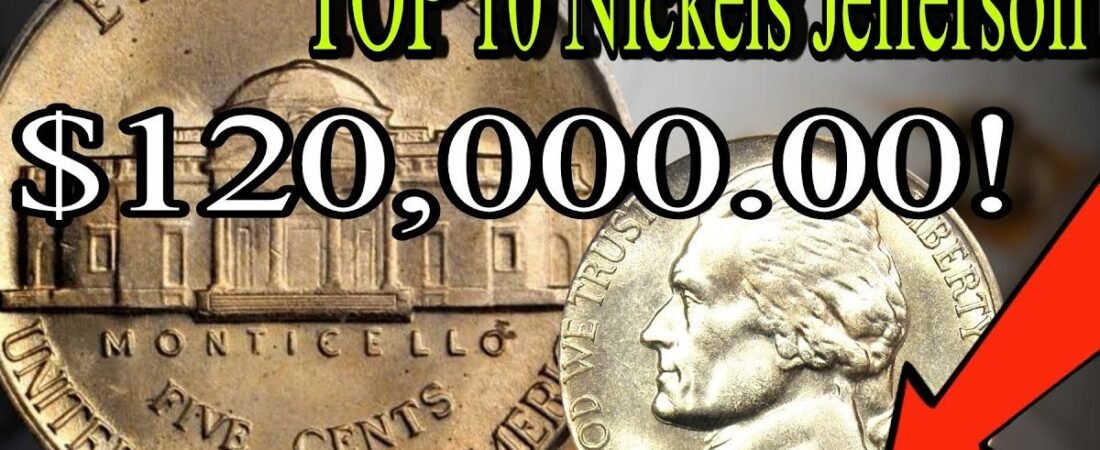
Jefferson nickels have been a staple in American pockets since 1938, but most people overlook the hidden treasures among them. While the vast majority are worth only face value, a select few rare varieties and key dates have stunned collectors by fetching extraordinary sums at auctions. These super rare pieces often result from mint errors, low production, or exceptional preservation, turning ordinary five-cent coins into life-changing finds. If one of these sits in your collection or change jar, you could be sitting on a small fortune.
Why Some Jefferson Nickels Become Extremely Valuable
The Jefferson nickel series spans decades, but rarity drives value far beyond the metal content. Minting mistakes like doubled dies, overdates, repunched mintmarks, and unusual varieties create scarcity that collectors chase relentlessly. High-grade examples with sharp details, especially those showing “full steps” on Monticello’s staircase, command premium prices. Wartime silver nickels from 1942-1945 add another layer due to their unique composition. Exceptional preservation and historical significance push certain coins into six-figure territory, with some approaching or exceeding seven figures in private sales or top auctions.
The Role of Errors and Varieties in Skyrocketing Values
Mint errors turn common coins into numismatic legends. Doubled dies show noticeable doubling in letters or design elements, while overdates reveal one year punched over another. Repunched mintmarks display overlapping letters from different dies. These imperfections, once considered flaws, now represent incredible collecting opportunities. Full Steps designation, where all six steps on Monticello appear clearly separated, separates ordinary uncirculated coins from elite specimens that drive intense bidding wars.
Here are some key factors that boost a Jefferson nickel’s worth:
- Dramatic doubling visible to the naked eye
- Overdates or repunched mintmarks creating distinct varieties
- Full Steps detail on the reverse
- Exceptional strike quality in high mint state grades
Top 10 Super Rare Jefferson Nickels
Collectors dream of these standout pieces, many of which have sold for astonishing amounts in pristine condition.
- 1942 Frith Jefferson Proof – This unique wartime silver proof stands as one of the rarest in the series, with exceptional pedigree pushing values into extraordinary ranges.
- 1939 Doubled Monticello (DDR) – Strong doubling on the reverse, particularly around Monticello and lettering, makes this a classic error that excites serious collectors.
- 1940 Full Steps – Crisp details with perfect step separation on Monticello elevate high-grade examples to elite status.
- 1942-D D Over Horizontal D – A dramatic repunched mintmark where the D appears sideways underneath creates a striking visual anomaly.
- 1943-P 3 Over 2 Overdate – The wartime overdate shows a clear “3” punched over a “2,” a popular variety among error enthusiasts.
- 1938-D Full Steps – As an early issue with flawless steps, top specimens highlight the series’ inaugural beauty.
- 1949-D D Over S – This repunched mintmark variety displays an “S” beneath the “D,” adding intrigue to post-war issues.
- 1964 Special Mint Set Full Steps – Satin-like finish and sharp details from these special sets make them highly sought after.
- 1950-D Key Date – Low mintage combined with collector demand creates scarcity in higher grades.
- 1943-P Doubled Eye – Prominent doubling on Jefferson’s eye draws attention and strong prices in top condition.
These examples represent some of the most talked-about rarities, where condition separates average pieces from those worth a fortune.
How to Spot These Rare Finds in Your Collection
Examining coins under good lighting with a magnifying glass reveals hidden details. Look for doubling on inscriptions like “Monticello” or “United States,” overlapping mintmarks near the building, or unusual thickness in numbers. Full Steps require the staircase lines to show complete separation without wear. Wartime nickels have a distinct silver-gray appearance and large mintmarks above Monticello. While most nickels circulate without issue, these subtle clues can uncover something truly special.
What Makes a Nickel Worth Millions?
The combination of extreme rarity, historical context, and flawless condition creates million-dollar potential. Unique proofs or one-of-a-kind errors generate buzz in the numismatic world, leading to competitive bidding. As collectors seek to complete sets or own record holders, prices for these top-tier pieces continue climbing. Discovering one in everyday change feels like winning the lottery, reminding everyone that treasures can hide in the most ordinary places.
In the end, Jefferson nickels prove that value often lies beyond the surface. While the odds remain slim, the possibility of holding a super rare example keeps collectors searching through rolls, jars, and old collections. If luck smiles your way, that simple five-cent piece could transform into something extraordinary.
FAQs
What makes a Jefferson nickel worth millions instead of just a few dollars?
Extreme rarity from mint errors, low survival rates in top condition, or unique varieties drive values sky-high when collectors compete for them.
Are any of these rare nickels still possible to find in circulation today?
Some error varieties occasionally turn up in change or coin rolls, though the ultra-valuable ones are typically already in collections.
How can I tell if my Jefferson nickel has Full Steps?
Check the reverse staircase on Monticello— all six steps must appear clearly separated and sharp, without merging or wear.
Do wartime Jefferson nickels from 1942-1945 have special value?
Yes, their silver composition and large mintmarks make them worth more than face value, with certain errors pushing prices much higher.
Should I clean a potentially rare Jefferson nickel to increase its value?
Never clean rare coins, as it can destroy patina and drastically reduce value—leave them untouched and consult a professional grader.