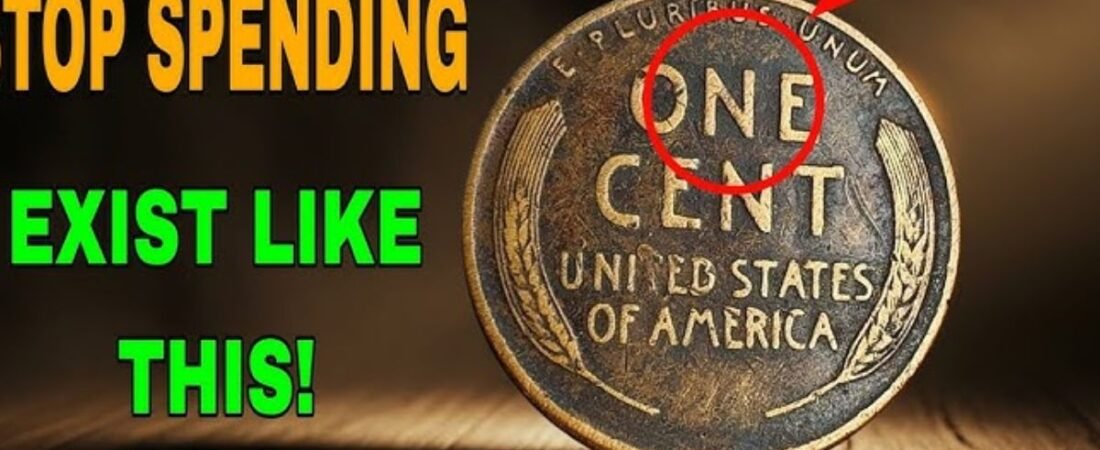
Wheat pennies, those classic Lincoln cents minted between 1909 and 1958 with the wheat stalks on the reverse, might look like ordinary old coins in your change jar or collection. But a handful of rare varieties and striking errors can turn a simple one-cent piece into a small fortune. Some collectors have paid hundreds of thousands or even millions for the right specimen. Here are the top three that stand out for their jaw-dropping value and why you should never casually spend them.
The Legendary 1943 Bronze Penny
During World War II, the U.S. Mint switched to zinc-coated steel planchets for pennies to save copper for the war effort, making 1943 Lincoln cents normally steel and silver-looking. A tiny number of bronze planchets from the previous year slipped through the presses by mistake, creating one of the most famous error coins in history.
These 1943 bronze wheat pennies are incredibly scarce, with only a few dozen known across all mints. Their accidental production during wartime adds a layer of historical intrigue that drives demand sky-high among serious collectors. Depending on the mint mark and condition, these coins routinely sell for six figures, with top examples reaching well into the hundreds of thousands or more.
The Iconic 1909-S VDB
The very first Lincoln wheat penny appeared in 1909 to mark the centennial of Abraham Lincoln’s birth. Designer Victor David Brenner included his initials “VDB” on the reverse, but public complaints about them being too prominent led the Mint to remove them quickly. The San Francisco mint version with the initials survived in much smaller numbers.
Only about 484,000 of these 1909-S VDB coins were produced before the change, making it a key date for any serious Lincoln cent collection. Even in average circulated condition, they command strong prices, while pristine examples in high grades fetch thousands. This coin’s status as the first-year issue with the controversial initials gives it lasting appeal and keeps values elevated year after year.
The Dramatic 1955 Doubled Die Obverse
In 1955, a major die error occurred at the Philadelphia Mint when a working die was hubbed twice with slight misalignment, resulting in noticeable doubling on the date, “LIBERTY,” and “IN GOD WE TRUST.” The mistake was caught after a small batch entered circulation, but those that made it out became legendary.
The bold doubling is easy to spot even without magnification, which adds to its popularity. Collectors prize this variety for its dramatic appearance and relative accessibility compared to ultra-rare errors. Values start in the low thousands for circulated pieces and climb much higher for coins in mint state with strong original color, making it one of the most sought-after error coins from the wheat series.
Here are a few quick tips to help you spot potential treasures in your own pocket change or old jars:
- Check the year first—focus on 1943 (look for bronze/copper color instead of steel), 1909 (with S mint mark and VDB on reverse), or 1955 (obvious doubling on letters and date).
- Examine the surface carefully under good light for unusual features like wrong metal composition or clear doubling.
- Avoid cleaning any suspect coin, as that can destroy value—leave it exactly as found.
- If something looks promising, get it checked by a reputable grading service for authentication.
These three wheat pennies remind us that history, rarity, and a bit of minting mishap can transform everyday items into incredible assets. The next time you come across a jar of old coins or spot a wheat penny in circulation, take a closer look. One careful glance could uncover something worth far more than face value. Hold onto them you might be sitting on a small fortune without even knowing it.