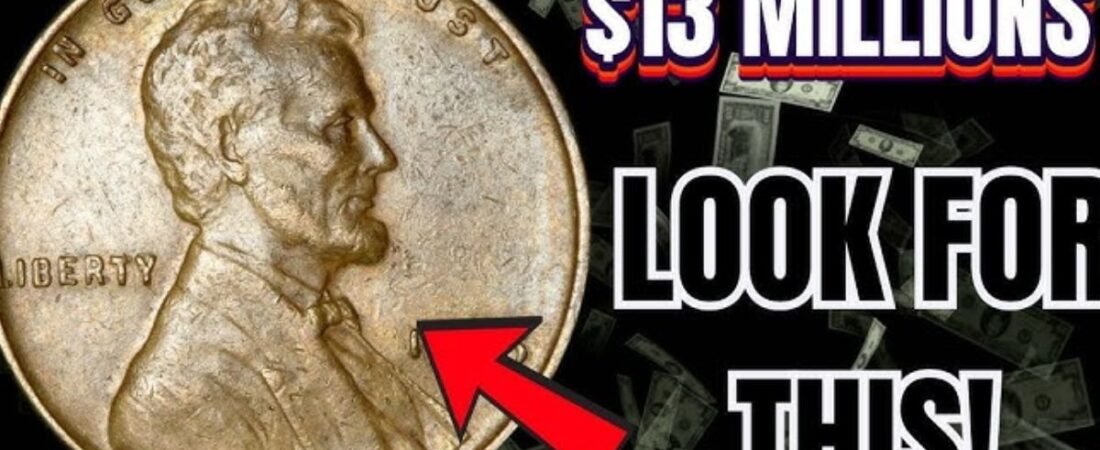
Collectors and everyday people occasionally stumble upon hidden treasures in old coin jars or pocket change. Among Lincoln pennies, a few extraordinary rarities stand out for their incredible value, sometimes reaching into the millions at auction. These super rare examples often result from minting mistakes or extremely low production numbers, turning ordinary one-cent pieces into numismatic legends.
The Allure of Lincoln Pennies
Since 1909, the Lincoln cent has honored America’s 16th president with Abraham Lincoln’s portrait on the obverse and, originally, wheat stalks on the reverse earning early versions the nickname “wheat pennies.” Designed by Victor D. Brenner to mark Lincoln’s centennial, the series has captured imaginations for over a century. While most Lincoln pennies hold face value or modest premiums, certain ones defy expectations due to historical quirks, errors, or scarcity. These outliers fuel stories of lucky finds and massive payouts.
The Famous 1943 Copper Penny Mistake
During World War II, copper became critical for ammunition and other war materials. The U.S. Mint switched to zinc-coated steel planchets for 1943 pennies, creating the well-known “steelies” that look silvery and attract magnets. A tiny number of pennies were accidentally struck on leftover copper planchets from the previous year. These 1943 copper Lincoln pennies represent one of the greatest minting errors in history.
Only about 20 to 30 authentic examples are believed to exist across all mints (Philadelphia, Denver, and San Francisco). Their value skyrockets based on condition and mint mark. Top-grade specimens have fetched prices well over a million dollars in private sales and auctions, with some estimates pushing toward $2 million or more for the finest pieces.
Wartime Flip: The 1944 Steel Penny
When the Mint returned to copper in 1944, a reverse error occurred—some pennies were struck on leftover steel planchets. These 1944 steel pennies look like the 1943 steel cents but carry the wrong date. Though slightly more examples survive than their 1943 copper counterparts, they remain incredibly scarce.
Values for these rarities often climb into the high six figures or beyond in exceptional condition. One standout sale reached over a million dollars, highlighting how wartime production slip-ups created enduring collector prizes.
The Iconic 1909-S VDB: First-Year Sensation
The very first Lincoln pennies bore the designer’s initials “VDB” on the reverse, but public controversy led to their quick removal. The San Francisco Mint struck only about 484,000 of the 1909-S VDB variety before the change, making it far scarcer than Philadelphia issues.
In pristine condition, especially with full original red luster, these coins command enormous prices. While most circulated examples sell for thousands, the absolute finest pieces have approached or exceeded seven figures in top-tier sales, cementing their status as a holy grail for serious collectors.
Other Standout Rarities and Errors
Beyond the headline-makers, several other Lincoln pennies achieve extraordinary value through doubled dies or unique varieties.
- The 1955 Doubled Die Obverse shows dramatic doubling in the date and lettering, visible even to the naked eye.
- Certain 1969-S doubled die examples feature strong doubling on inscriptions, discovered decades after release.
- A few modern varieties, like select doubled dies from the 1970s or later, have surprised the market with six-figure results.
These errors add excitement, as they sometimes turn up in circulation long after minting.
Why These Pennies Command Such High Prices
Rarity drives everything in coin collecting. Low survival rates, historical context, and the thrill of the unexpected combine to create demand among wealthy bidders at major auctions. Condition matters enormously—coins graded in mint state with original color fetch the highest sums. As interest in numismatics grows, these super rare Lincoln pennies continue to set records and inspire searches through old collections.
In the end, the possibility that a humble penny could be worth millions keeps the hobby alive. Checking spare change or inherited jars might just reveal a small fortune waiting to be discovered.