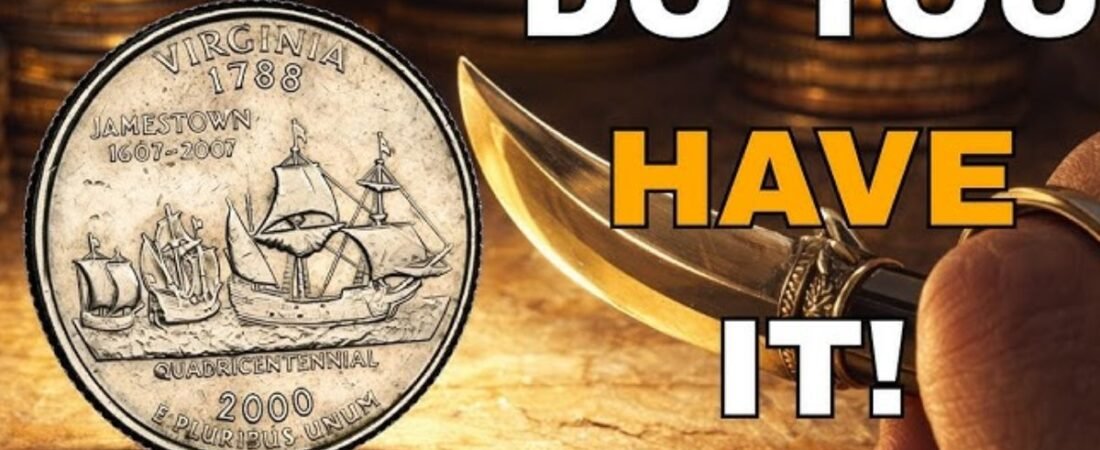
State quarters captured the imagination of millions when the U.S. Mint launched the 50 State Quarters Program from 1999 to 2008. While most of these coins still circulate or sit in jars, a tiny fraction became extraordinarily valuable due to rare minting errors, low survival rates, or unique varieties. Some of the most prized examples have fetched staggering prices at major auctions, turning pocket change into life-changing money. Here are the top five rarest state quarters that continue to dominate headlines and collector wish lists.
The Wisconsin Extra Leaf High Variety
The 2004-D Wisconsin quarter stands out for one of the most famous errors in modern coinage. A small number of dies were mistakenly engraved with an extra leaf on the corn husk, creating two distinct varieties: the “Extra Leaf High” and “Extra Leaf Low.” The High variety, with its leaf pointing noticeably upward, has proven far scarcer in top condition.
High-grade specimens graded MS-68 or better regularly command six-figure sums, and the finest known pieces have approached or exceeded the million-dollar mark in private sales and public auctions. Collectors prize the dramatic visual difference and the story behind the error.
The 2004-D Wisconsin Extra Leaf Low
While technically a separate variety from the High leaf, the Extra Leaf Low version shares the same dramatic error origin. The leaf in this case points more horizontally or downward, making it slightly less pronounced but still unmistakable under magnification.
Fewer examples survive in pristine condition compared to common quarters, and top-tier pieces have sold for hundreds of thousands. When paired with the High variety in a complete error set, values climb even higher, drawing serious attention from advanced collectors.
The 1999-P Delaware “Spitting Horse” Variety
One of the earliest and most dramatic errors from the program appeared on the 1999-P Delaware quarter. A die crack runs from the horse’s mouth, creating the appearance that the animal is “spitting.” The crack varies in severity, but the most pronounced examples stand out immediately.
Gem uncirculated examples with bold, clear die cracks have sold for tens of thousands, while the absolute finest pieces push well into six figures at auction. The nickname alone makes this variety instantly recognizable among collectors.
The 2005-P Minnesota “Extra Tree” Die Varieties
The 2005 Minnesota quarter features a peaceful lake scene with trees in the background. A small number of dies produced faint extra trees or tree-like shapes near the main group, creating several recognized varieties. These minor but consistent anomalies turn an ordinary coin into a sought-after rarity.
High-grade examples with clear extra trees command strong premiums, especially when certified in MS-67 or higher. Complete sets of the different extra-tree varieties remain a popular pursuit for specialists in modern errors.
Here are some key factors that drive value across these rare state quarters:
- Exceptional preservation in MS-67 or higher grades
- Bold, obvious error features visible without magnification
- Certification from major grading services with strong eye appeal
- Inclusion in major auction catalogs or high-profile collections
Why These Coins Command Such High Prices
Rarity alone doesn’t explain the seven-figure potential. The combination of dramatic visual errors, historical significance within the popular state quarters program, and limited surviving populations in top condition creates intense demand. Major auction houses regularly feature these pieces, drawing bids from both dedicated numismatists and investors seeking tangible assets.
The story behind each error—whether a misplaced leaf, a die crack, or phantom trees—adds narrative appeal that resonates far beyond pure numismatics. Collectors appreciate the human element of a mistake that slipped past quality control decades ago.
Check Your Change – You Could Be Sitting on a Fortune
While the odds are slim, valuable state quarters still turn up in circulation, old jars, or inherited collections. Look closely at the reverse designs, especially on Wisconsin, Delaware, and Minnesota issues from the early 2000s. Even lightly circulated examples with clear errors can bring thousands if authenticated properly.
The state quarters program may be long over, but its legacy lives on in these extraordinary rarities. One careful inspection could turn a 25-cent piece into a major windfall.
FAQs
How can I tell if my state quarter is one of the rare varieties?
Examine the coin closely under good light and magnification. Look for extra leaves on Wisconsin quarters, a line from the horse’s mouth on Delaware, or additional tree shapes on Minnesota issues.
Do all rare state quarters sell for millions?
No. Only the absolute finest, highest-graded examples with dramatic errors reach seven figures. Most valuable pieces sell in the thousands to low six figures depending on condition.
Should I clean a potentially rare state quarter before selling it?
Never clean a coin. Cleaning removes natural toning and surface luster, often destroying value. Leave coins exactly as found and seek professional grading.
Where can these rare quarters be sold?
Reputable auction houses, major coin dealers, and online platforms specializing in numismatics handle high-value sales. Professional certification from PCGS or NGC is almost always required.
Are there other state quarters worth big money besides these five?
Yes, other errors like off-center strikes, double dies, and certain proof varieties can bring thousands, but the top five listed here consistently lead in record prices and collector interest.