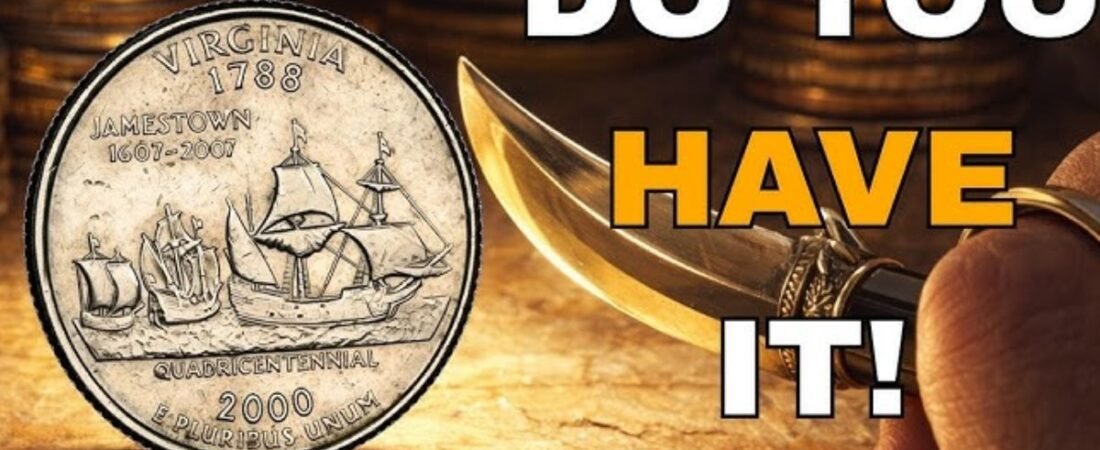
The 50 State Quarters program, launched by the U.S. Mint from 1999 to 2008, turned everyday pocket change into a nationwide collecting craze. While most of these coins remain worth just 25 cents, a tiny fraction have become legendary among numismatists due to extreme rarity, dramatic minting errors, or flawless condition. Some exceptional examples have fetched astonishing prices at major auctions, with claims circulating that certain pieces could reach into the millions under the right circumstances. Here are five of the most sought-after rarities that continue to captivate collectors and one of them just might be sitting in your old jar of change.
The Allure of Minting Mistakes and Perfect Preservation
What separates ordinary state quarters from those worth a fortune often boils down to two things: production flaws that escaped quality control and coins preserved in near-mint condition long after release. Errors like broadstrikes, doubled dies, or extra features create one-of-a-kind specimens, while high-grade examples graded MS68 or MS69 by services like PCGS command premium bids because so few survive without wear. These factors drive intense competition whenever a standout piece hits the auction block.
1. 1999-P Connecticut Broadstruck Quarter
Among the earliest and most dramatic errors from the program stands the 1999-P Connecticut quarter struck too broadly. During minting, the coin expanded beyond its normal boundaries without a proper collar, resulting in a stretched, oversized appearance that makes the design look distorted and unique. Collectors prize these for their obvious visual impact. In top condition, examples have sold for thousands, with some reports placing the highest verified sales well above $4,000. The rarity stems from how few such errors made it into circulation before detection.
2. 2004-D Wisconsin Extra Leaf Quarter
The 2004-D Wisconsin quarter features one of the program’s most famous varieties: an extra leaf on the corn stalk. Two versions exist—one with a low leaf and another with a high leaf—both resulting from over-polished dies that added unintended detail. This quirky flaw turned a common state design into a hot collector item almost immediately. High-grade specimens regularly draw strong bids, and pristine examples have pushed into the low thousands at auction. Its popularity endures because the error is noticeable even to casual observers.
Here are key reasons this variety stands out:
- The extra leaf creates a clear, eye-catching anomaly on an otherwise standard design.
- Both high and low leaf versions attract dedicated variety hunters.
- Demand remains steady among error coin specialists.
- Condition plays a huge role, with uncirculated pieces far outvaluing worn ones.
3. 2005-P Minnesota Doubled Die Quarter
Minnesota’s 2005 quarter showcases subtle yet valuable doubled die errors, particularly on elements like the lake outlines or tree details. Doubling occurs when the die shifts slightly between impressions, leaving faint secondary images. While not as flashy as broader errors, these varieties appeal to advanced collectors who use magnification to spot them. Auction records show strong prices for well-preserved examples, often climbing into the hundreds or higher when the doubling is pronounced.
4. 1999-S Delaware Proof Quarter in Exceptional Grade
Proof versions struck at San Francisco with the “S” mint mark were meant for collectors, but some 1999 Delaware proofs in flawless or near-flawless condition have surprised the market. As the very first state quarter released, Delaware carries extra historical weight. Pristine proofs have achieved sales in the low thousands, reflecting intense interest in early program pieces that survived without any marks or toning.
5. High-Grade 2000-P South Carolina Quarter
South Carolina’s 2000 quarter in MS69 condition represents the pinnacle of preservation for circulation strikes. With billions minted across the series, achieving such a high grade is extraordinarily difficult due to handling and bag marks. Record auctions for top-graded examples have exceeded $3,000, fueled by collectors chasing registry sets and the thrill of owning one of the finest known. Its value highlights how even “normal” coins can become rarities when perfectly preserved.
Why These Coins Command Such Attention Today
The state quarters program introduced millions to coin collecting, but as time passes, the window for finding untouched examples narrows. Auction houses see steady demand for these standouts, especially when fresh discoveries surface from old collections or loose change. Errors add uniqueness, while superb condition proves scarcity in survival. Together, they transform a humble quarter into a potential windfall.
Final Thoughts: Check Your Collection
You never know what might be hiding among those forgotten state quarters from two decades ago. While reaching actual millions remains the stuff of extreme outliers and hype, top-tier rarities consistently deliver life-changing returns for lucky owners who get them graded and authenticated. Take a closer look at what you have—the next big find could be yours.
FAQs
What makes a state quarter worth thousands or more at auction?
Rarity comes from mint errors like broadstrikes or extra features, combined with exceptional condition grades like MS69. Regular circulated coins rarely exceed face value, but flawless or flawed examples draw big bids.
Are any state quarters truly worth millions?
While some online claims suggest million-dollar sales, verified auction records for state quarters top out in the low thousands for the most exceptional pieces. Extreme values often stem from exaggeration or confusion with other rare U.S. coins.
How can I tell if my state quarter is valuable?
Look for obvious errors (extra leaves, doubling, unusual size) and check condition—no wear, scratches, or discoloration. Professional grading services provide the definitive assessment and boost resale potential.
Should I clean my old state quarters before selling?
Never clean them. Cleaning removes natural toning and often lowers value significantly. Leave coins as found and seek expert grading instead.
Where can I sell a rare state quarter?
Reputable auction houses, coin dealers, or online platforms specializing in numismatics handle high-value sales best. Always get authentication first to maximize returns.