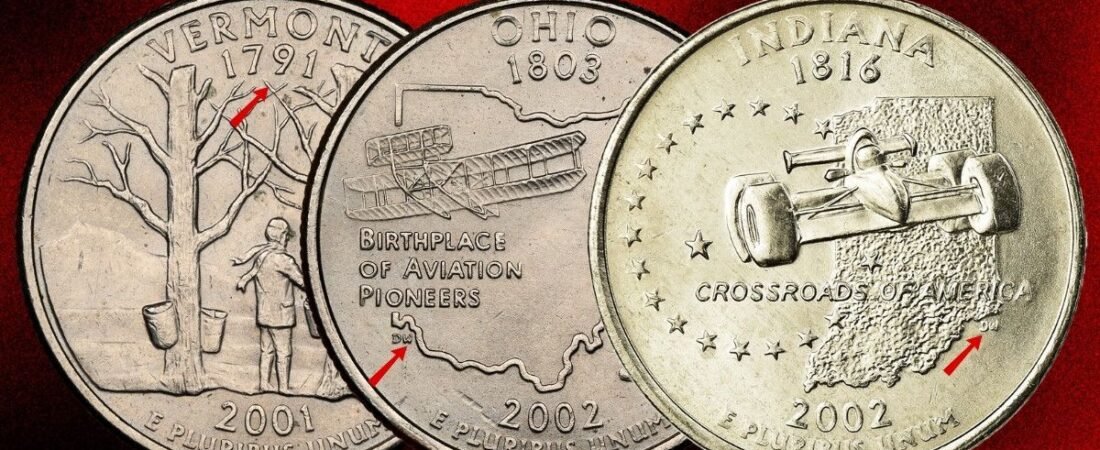
The 50 State Quarters program, which ran from 1999 to 2008, turned coin collecting into a national hobby as people eagerly searched pocket change for each new design. While most of these quarters still circulate at face value, certain rare examples—especially those with minting errors, exceptional condition, or low survival rates—have surged in value among collectors. In 2026, as interest in numismatics remains strong, here are the top five standouts that could fetch serious money if you happen to find one.
Why Some State Quarters Become Highly Valuable
Value in the state quarters series often comes down to a few key factors. Minting mistakes like doubled dies or extra elements create instant rarity. High-grade examples preserved in near-perfect condition command premiums because so few survive that way after years of circulation. Proof versions from San Francisco or experimental strikes add another layer of scarcity. Collectors pay top dollar for these anomalies, turning ordinary 25-cent pieces into potential windfalls.
1. 2004-D Wisconsin “Extra Leaf” Quarter
One of the most famous errors in the entire series, the 2004-D Wisconsin quarter features an unexpected extra leaf on the corn husk. Two varieties exist: the “Extra Leaf High” and “Extra Leaf Low,” both resulting from over-polished dies at the Denver Mint. These quirks have made the coin a favorite among error collectors.
In top condition, examples routinely sell for hundreds, with pristine pieces reaching well into the thousands. The error’s visibility and the story behind its discovery keep demand high even years later.
2. 1999-S Delaware Proof Quarter
As the very first release in the program, the 1999 Delaware quarter holds special appeal. The San Francisco-minted proof versions, marked with an “S,” stand out for their sharp details and mirror-like finish. When found in flawless condition, they attract serious bids at auctions.
These proofs were never meant for circulation, so any that enter everyday use become instant rarities. Their historical significance as the kickoff to the series adds extra allure for completists.
3. 2005-P Minnesota Doubled Die Quarter
The 2005 Minnesota quarter shows dramatic doubling on elements like the trees in the design, a classic doubled die error from the Philadelphia Mint. The extra impressions create a noticeable shift that jumps out under magnification.
Collectors prize these for their bold variety, and high-grade specimens consistently bring strong prices. The error combines visibility with relative scarcity, making it a staple in valuable state quarter discussions.
4. 1999-P Delaware “Spitting Horse” Error
Another standout from the debut year, the 1999-P Delaware quarter sometimes displays a die crack that makes the horse appear to have a line coming from its mouth—earning the nickname “Spitting Horse.” This subtle but distinctive flaw varies in strength across examples.
Depending on the clarity of the crack and overall coin condition, values climb quickly. It’s a reminder that even small production imperfections can transform a common coin into something sought after.
5. 2000-P South Carolina High-Grade Examples
South Carolina’s 2000 quarter, with its palmetto tree and revolutionary imagery, shines brightest in exceptional mint-state grades. Pristine pieces free of wear or marks have fetched impressive sums due to their rarity in top preservation.
While circulation takes a toll on most coins, those that escaped heavy handling stand out. The combination of attractive design and condition rarity keeps this one in the conversation for big payouts.
Tips for Checking Your Own Coins
Dig through old jars, rolls, or inherited collections with a close eye. Look for unusual features like extra leaves, doubling, or proof-like shine. A magnifying glass helps spot the subtle details that separate ordinary quarters from valuable ones.
Even without errors, exceptional preservation can boost worth. If something catches your attention, consider professional grading to confirm authenticity and maximize potential returns.
Final Thoughts
The state quarters program may have ended years ago, but its legacy lives on through these hidden gems still waiting in change drawers across the country. In 2026, the hunt continues as collectors chase the next big find. You never know—one of these top five could be sitting in your pocket right now, ready to turn a quarter into a nice payday.
FAQs
What makes a state quarter valuable beyond face value?
Minting errors, proof strikes, or superb condition drive the price up. Common circulation wear usually keeps them at 25 cents, but rare flaws change everything.
Are all state quarters from 1999 more valuable?
Not necessarily, but the first-year issues like Delaware often see higher interest due to their place in the series. Errors or proofs from that year tend to stand out most.
How can I tell if my quarter has a doubled die error?
Use a magnifying tool to check for thick, clear doubling on letters, numbers, or design elements. Subtle shifts might not qualify, but obvious ones boost value significantly.
Should I clean a potentially valuable state quarter?
Never clean coins you suspect are rare. Cleaning often reduces value by removing natural toning or causing scratches. Leave them as found and seek expert advice.
Where can these valuable quarters be sold?
Reputable coin dealers, online marketplaces for numismatics, or auction houses handle sales. Professional grading first often leads to better offers from serious buyers.