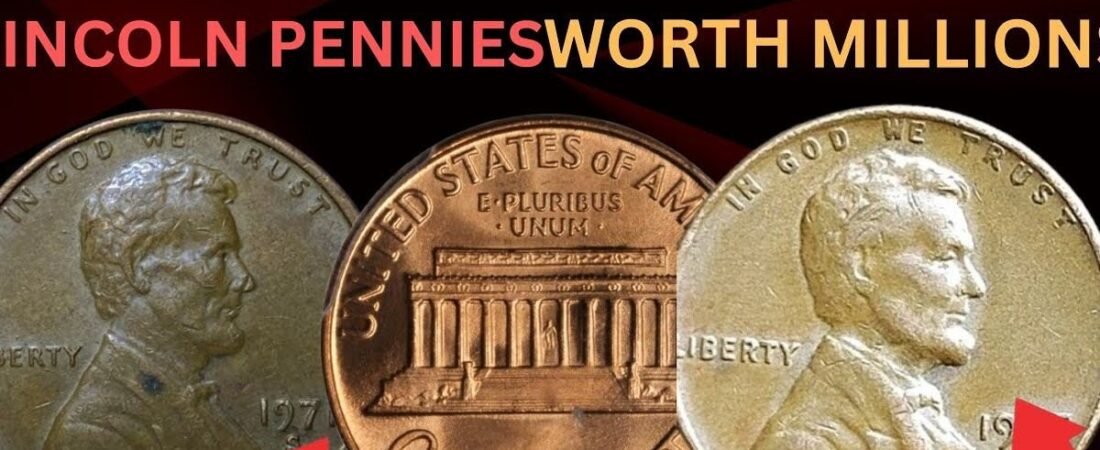
In the world of coin collecting, a single penny can sometimes fetch more than most people earn in a lifetime. As major auctions unfold in 2026, some of the rarest U.S. pennies are drawing intense bidding wars, with top examples reaching into the millions. These extraordinary pieces highlight how minting mistakes, historical quirks, and sheer scarcity turn everyday coins into prized treasures.
The Allure of Rare Pennies in Today’s Market
Collectors and investors have long chased after pennies that stand out from the billions produced over the years. What drives these high prices is a mix of rarity, condition, and fascinating backstories. In 2026, the coin market remains hot, fueled by strong demand for certified, high-grade examples. Auction houses report steady competition, especially for error coins and key date varieties that few people ever see.
Iconic Error Coins Leading the Charge
Error pennies often top the lists because they represent one-of-a-kind accidents from the minting process. The most famous involve wrong metal planchets or dramatic die mistakes.
The 1943 bronze Lincoln penny stands out as a legend. During World War II, the U.S. Mint switched to steel to save copper for the war effort, but a few bronze planchets slipped through. The Denver-minted version is particularly scarce, with one known example valued at around $2.3 million in top condition.
Another standout is the 1944 steel penny. After reverting to bronze, a handful were struck on leftover steel blanks, creating a mirror image of the previous year’s error. High-grade pieces from San Francisco have reached seven figures in recent sales.
Historic Key Dates That Command Attention
Beyond errors, certain dates and mint marks have earned legendary status due to low production numbers.
The 1909-S VDB Lincoln penny, the first year of the series with designer Victor David Brenner’s initials on the reverse, remains a holy grail. Low mintage from the San Francisco facility makes pristine examples highly sought after.
Early dates like the 1914-D also draw big bids. Limited output from Denver during that era means survivors in excellent shape always generate excitement at auction.
What Makes These Pennies So Valuable?
Several factors push values sky-high when these rare pennies hit the block.
- Extreme Rarity: Some exist in single digits or low dozens, making them nearly impossible to acquire.
- Condition Grading: Professional services like PCGS or NGC certify coins, and top grades (MS-65 or higher) multiply value dramatically.
- Historical Significance: Coins tied to wartime changes or the debut of a long-running series carry extra appeal.
- Market Momentum: Strong buyer interest in 2026 keeps pushing prices upward as collectors compete fiercely.
Recent Auction Highlights and Trends
This year’s sales have delivered jaw-dropping results. Exceptional specimens of wartime error pennies have crossed the million-dollar mark, while other rarities approach three-quarters of a million. Bidders are drawn to authenticated pieces with sharp details and original surfaces. The trend shows no signs of slowing, as more collectors view these as both passion projects and potential investments.
Why These Sales Matter to Everyday Collectors
Even if most people won’t own a million-dollar penny, these auctions remind everyone to check their change. Rare finds still turn up occasionally, rewarding those who know what to look for. The excitement around 2026 sales has renewed interest in the hobby, encouraging more people to learn about mint marks, errors, and grading.
The ongoing success of these super rare pennies proves that small things can hold enormous value. As auctions continue to set records, the stories behind each coin add to their lasting appeal. Whether you’re a seasoned collector or just curious, these tiny pieces of history show how one cent can become worth millions.
FAQs
What is the most expensive penny ever sold at auction?
The 1943-D bronze Lincoln penny holds the top spot, with values reaching $2.3 million for the finest known example due to its unique error and extreme rarity.
Are there any 2026 pennies that could become valuable?
Regular 2026 pennies are common, but any major minting errors or special varieties could gain value over time if they prove scarce.
How can I tell if my penny is worth a lot?
Look for unusual features like wrong metal composition, doubled lettering, or key dates such as 1909-S VDB. Professional grading is essential for high-value claims.
Why do error pennies sell for so much?
They represent accidental rarities from the minting process, often with only a handful known to exist, creating intense demand among collectors.
Should I start collecting pennies now?
Yes, if you enjoy the history and hunt. Focus on learning about varieties and storing coins properly to build a meaningful collection over time.